


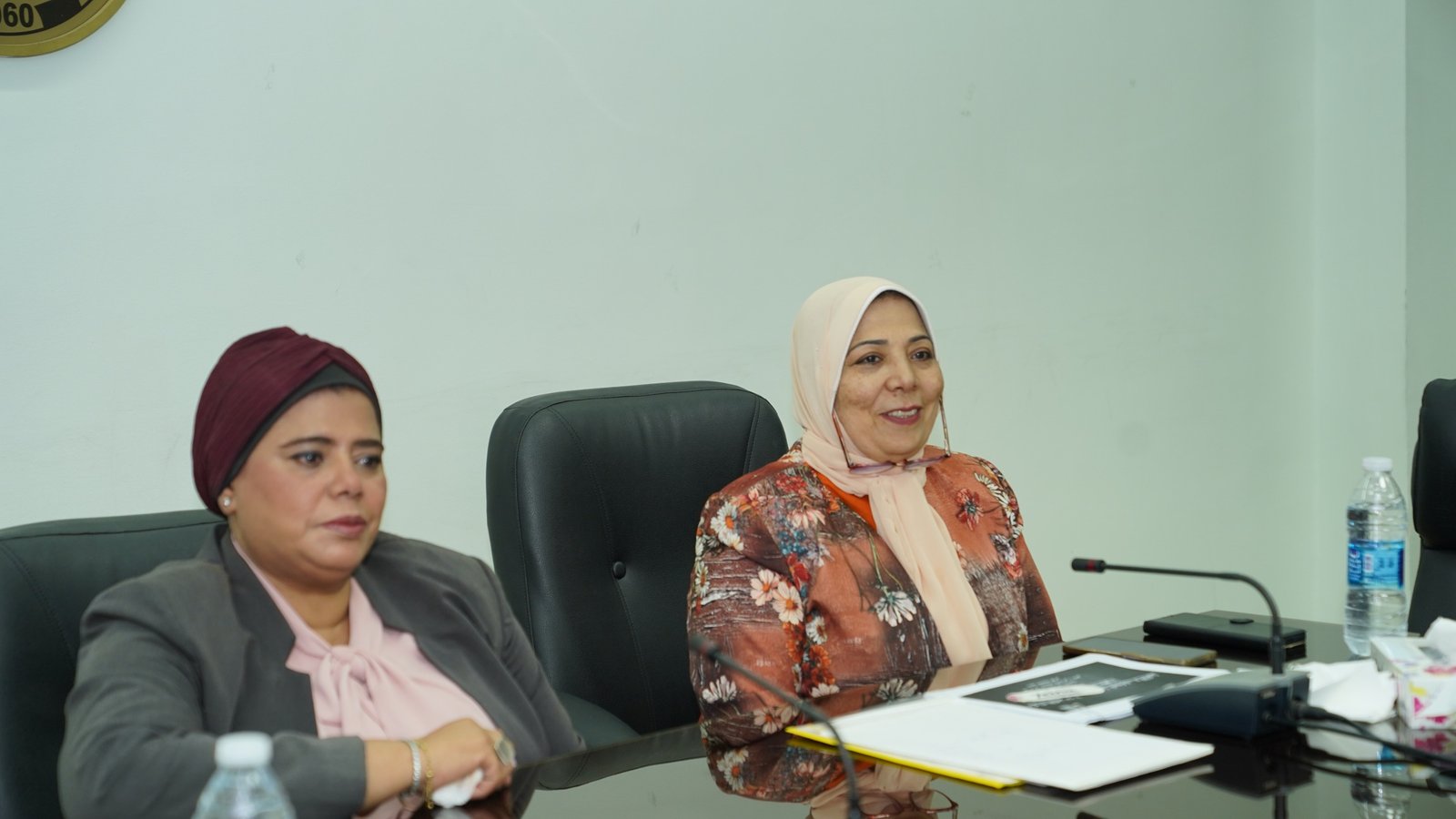
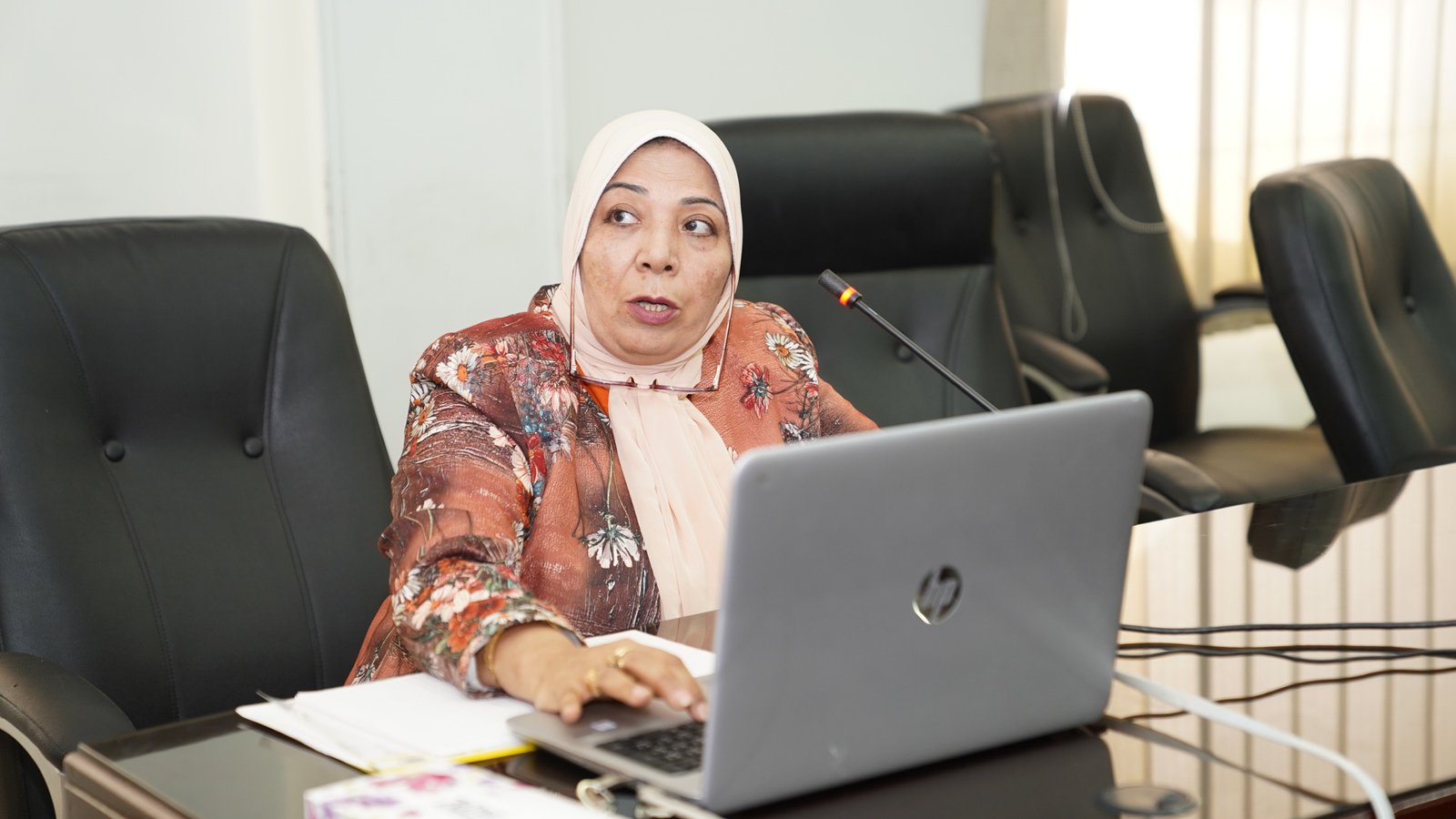
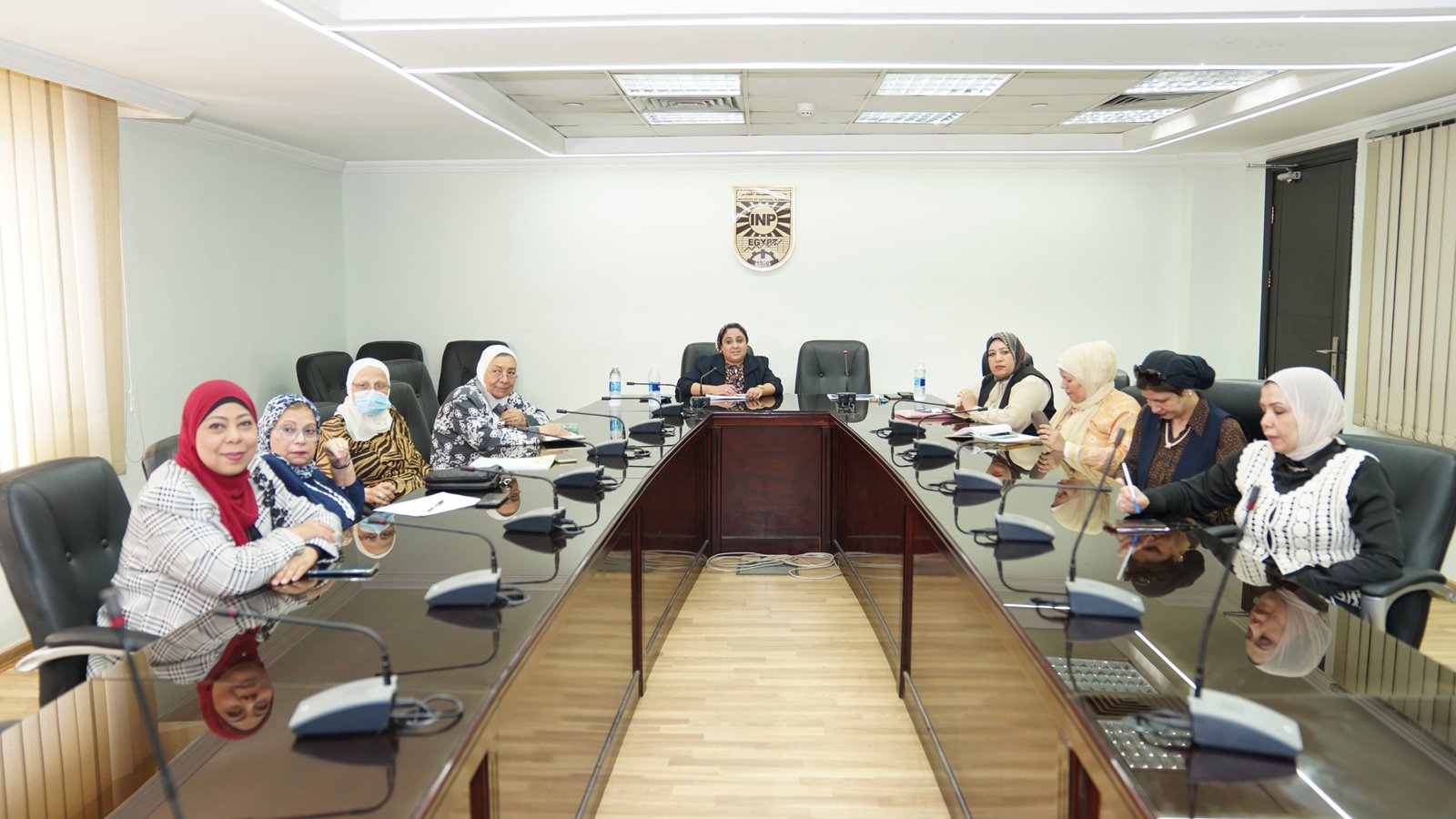
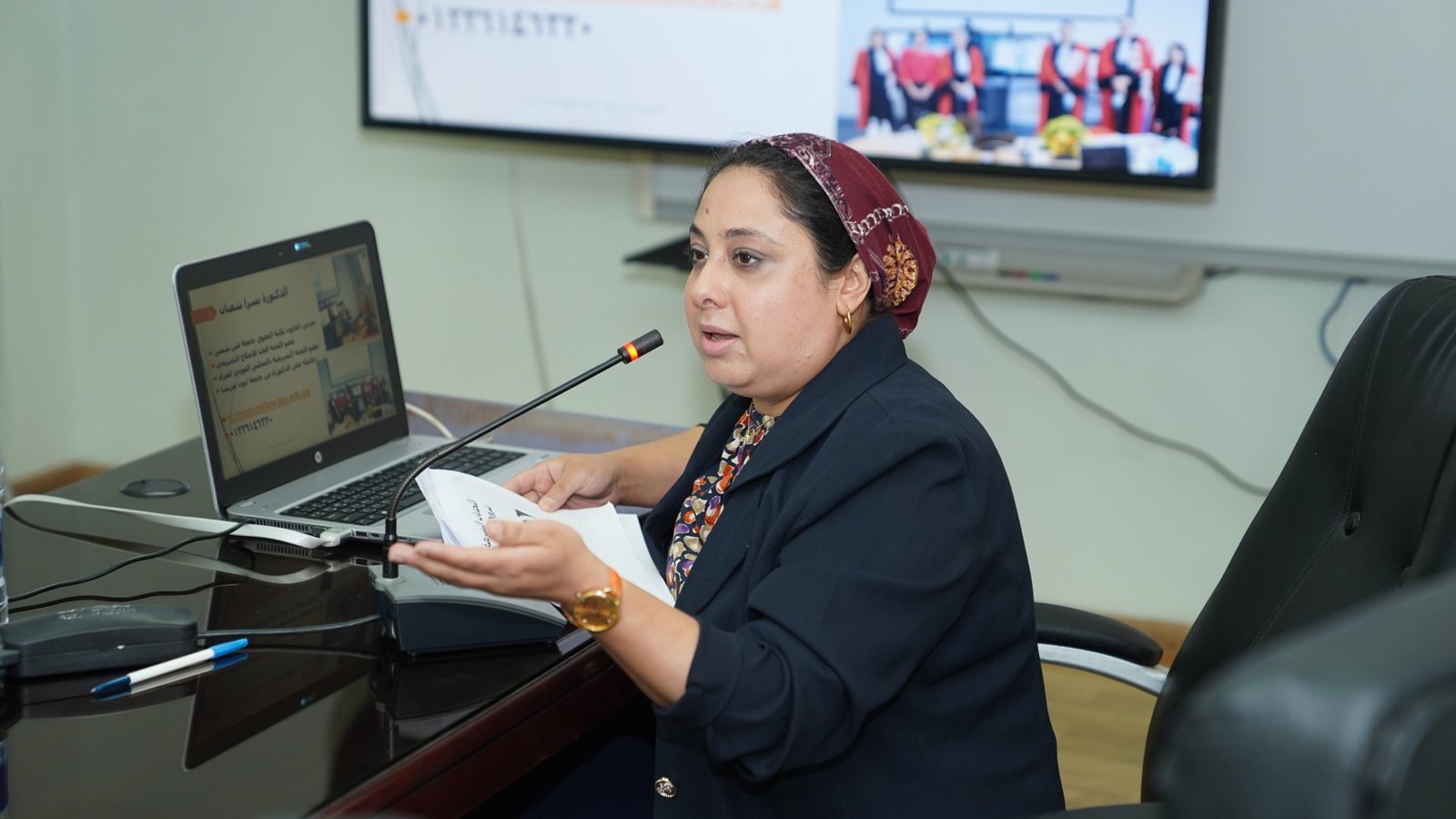
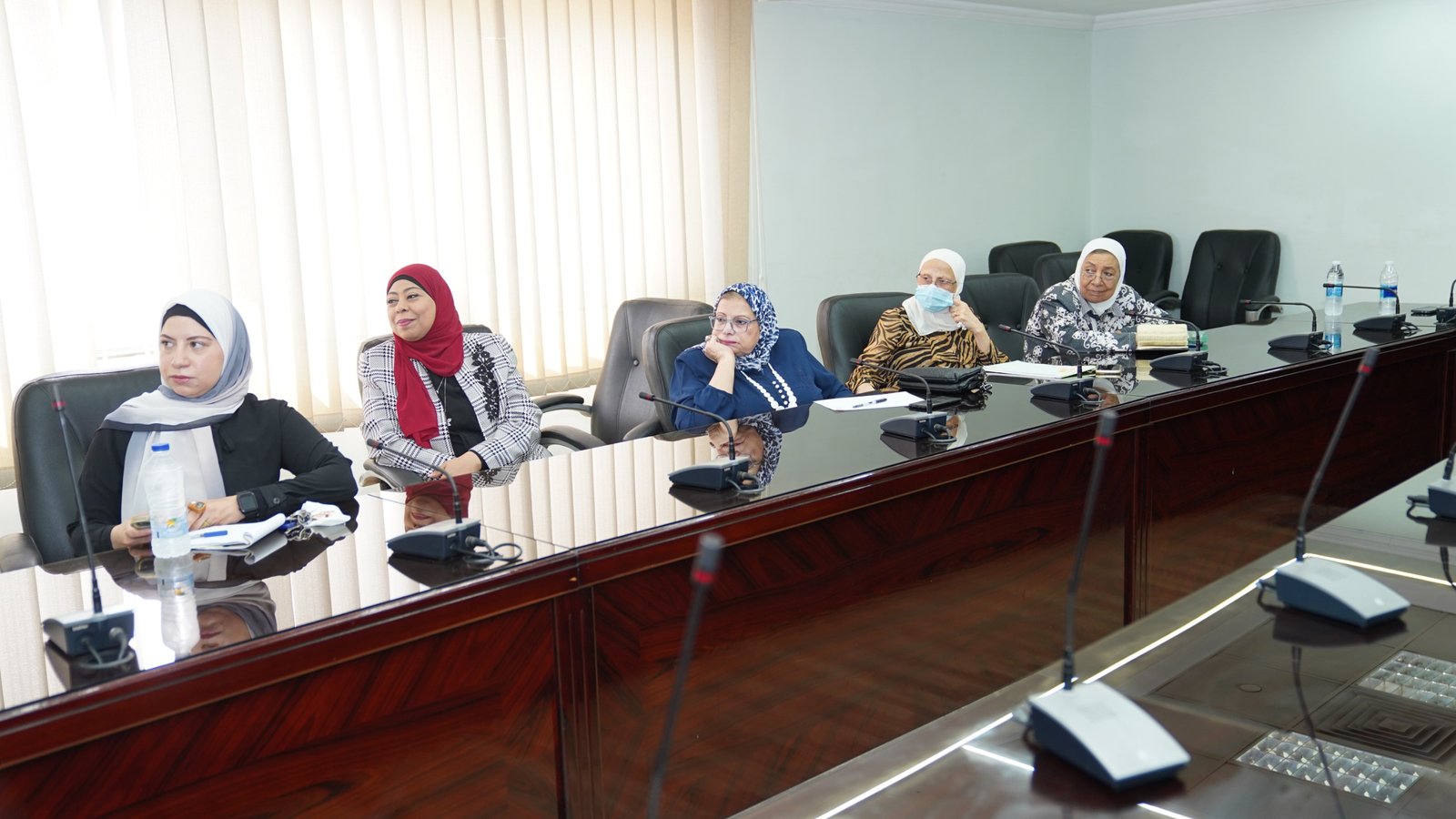
The Social and Cultural Planning Center at the Institute of National Planning (INP) organized a seminar titled “Child Marriage in Egypt: Bridging the Gaps Between Society, Law, and Culture.” Chaired by Prof. Magda Emam, Director of the Center, the event featured prominent speakers including Dr. Yousra Shaaban, Professor of Law at Ain Shams University, Member of the High Committee for Legislative Reform, and Member of the Legislative Committee at the National Council for Women and Ms. Amani Bayoumi, Program Director at the National Council for Childhood and Motherhood.
Prof. Magda Emam opened the seminar by highlighting that child marriage remains one of Egypt’s most pressing developmental challenges, with far-reaching social, economic, and demographic consequences. She cited UNFPA projections indicating that 15 million girls globally could be subjected to early marriage by 2030, with Egypt accounting for 15% of marriages involving underage girls—a significant barrier to population growth control efforts.
While acknowledging Egypt’s regional leadership in reducing child marriage rates over the past 25 years—particularly among low-income families through targeted initiatives—Prof. Emam stressed the urgent need for multi-stakeholder collaboration between government entities and civil society organizations to accelerate progress.
In the same line, Dr. Yousra Shaaban analyzed critical legal gaps perpetuating child marriage in Egypt, including the following:
- absence of direct criminalization of underage marriage in statutory law
- Legal tolerance of unregistered marriages
- Weak penalties for parents/mediators facilitating such unions
- Inconsistent legislation across child, penal, and notary laws
- Insufficient legal awareness in high-risk communities
- Inadequate oversight of marriage registrars (Ma’zouns)
Dr. Yousra Shaaban proposed a comprehensive set of legal reforms to address the issue of underage marriages, with the following key recommendations:
- Enact a standalone law explicitly prohibiting child marriage to eliminate legal ambiguities and strengthen enforcement.
- Strengthen oversight mechanisms for official marriage documentation and enhance monitoring of religious marriage officiants (Ma’zouns) to prevent illegal unions.
- Standardize the legal marriage age at 18 for both males and females, ensuring gender equality in marriage laws.
- Impose stricter penalties on parents and guardians who facilitate underage marriages, holding them legally accountable.
- Classify marriage under the age of 18 as a criminal offense with clearly defined legal consequences to deter violations.
Ms. Amani Bayoumi presented comprehensive intervention mechanisms to eliminate child marriage, emphasizing a multi-pronged approach:
- Strengthening Protection Systems
- Enhanced monitoring and reporting mechanisms
- Activation of child protection committees
- Utilization of the Child Helpline (16000) for immediate response
- Strategic Service Investments
- Prioritizing education access and retention programs
- Scaling essential social services in high-prevalence areas
- Evidence-Based Policymaking
- Developing targeted policy briefs to inform legislative and executive decision-makers
- Awareness & Capacity Building
- Implementing community-wide awareness campaigns
- Delivering targeted programs for at-risk demographics
- Multi-Stakeholder Engagement
- Collaborating with religious and community leaders to shift social norms
- Partnering with civil society organizations for grassroots implementation
This framework aligns with Egypt’s national development priorities by addressing both systemic drivers and immediate protection needs, while leveraging cross-sectoral partnerships for sustainable impact.