


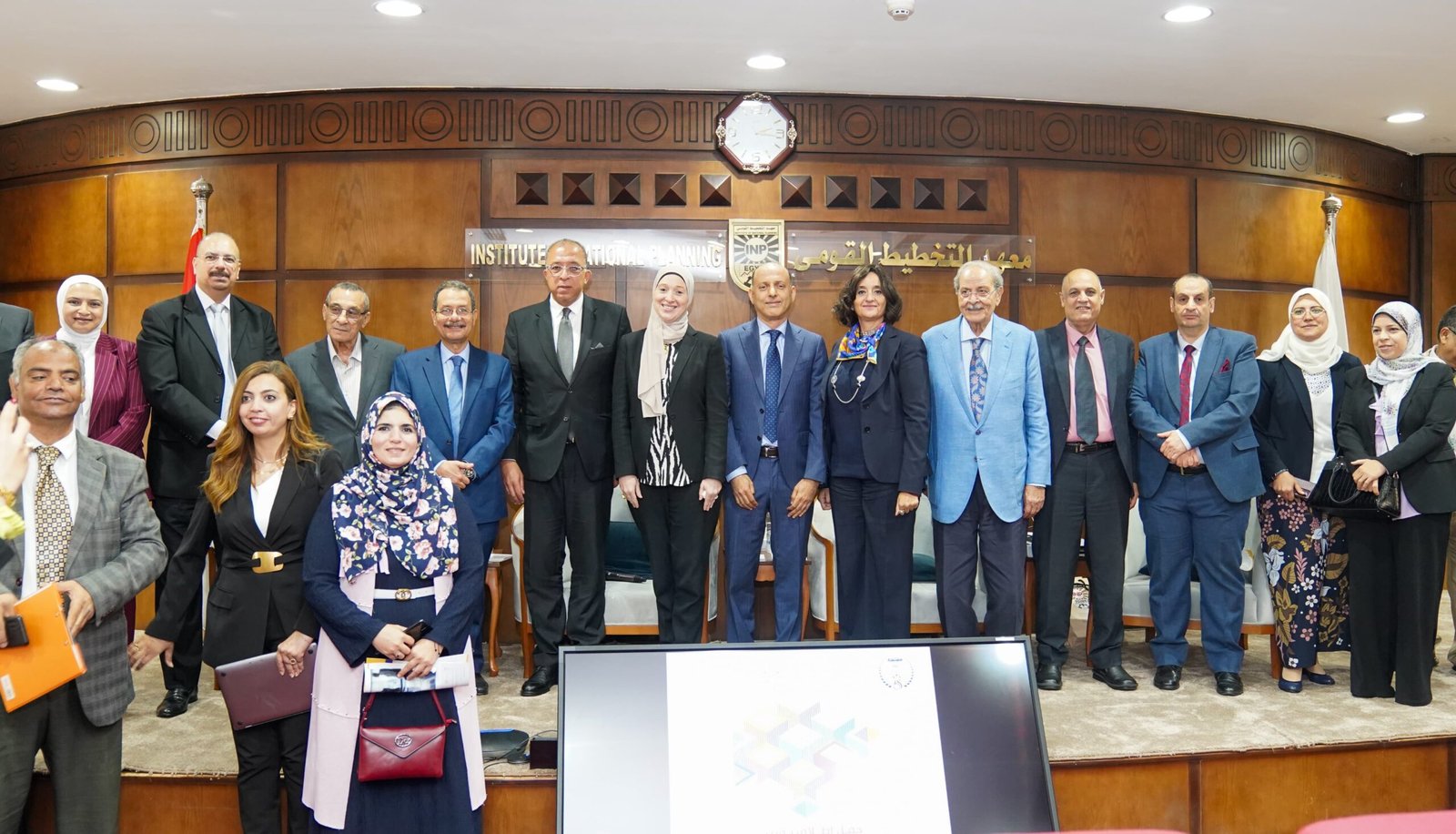
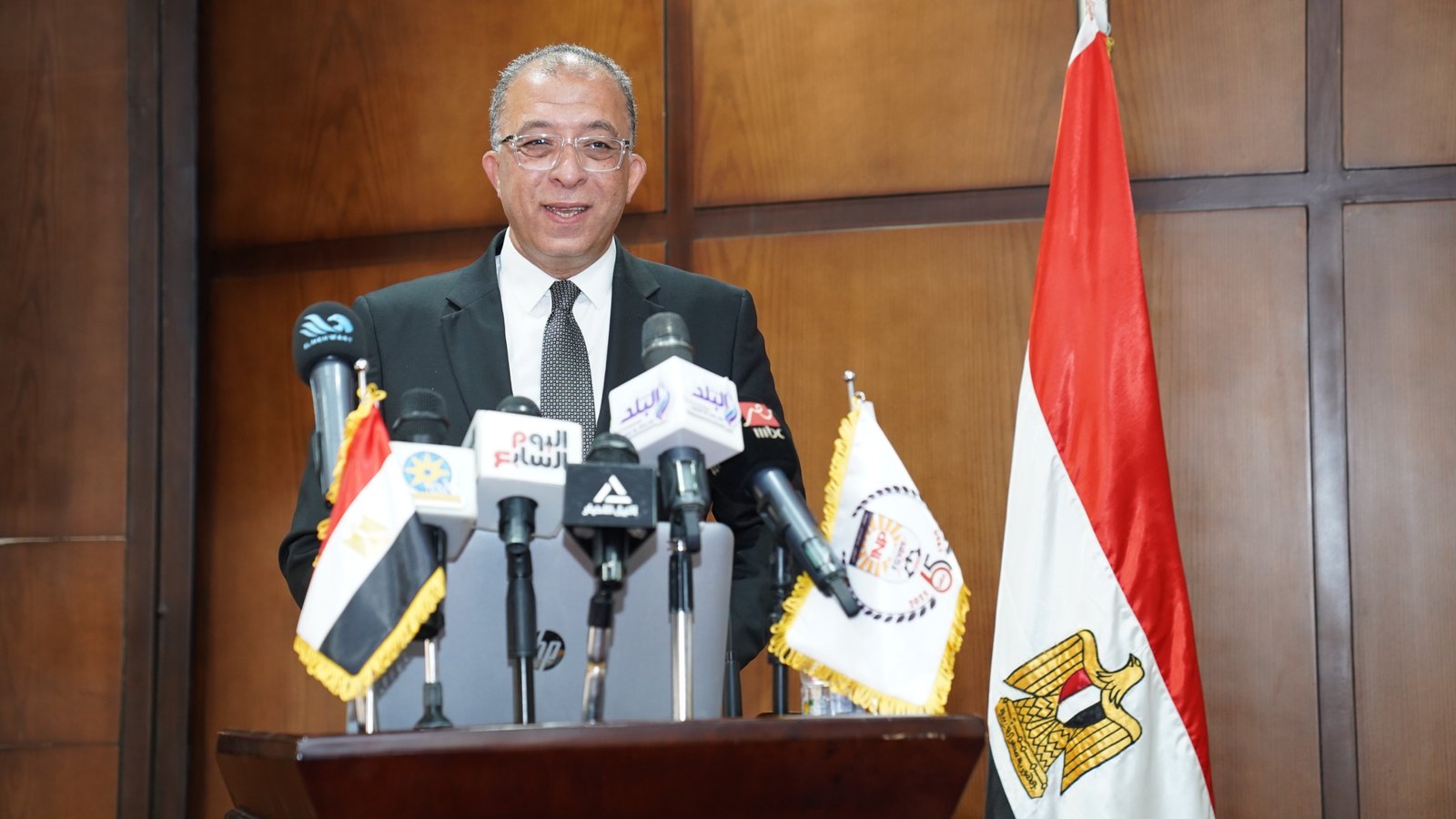
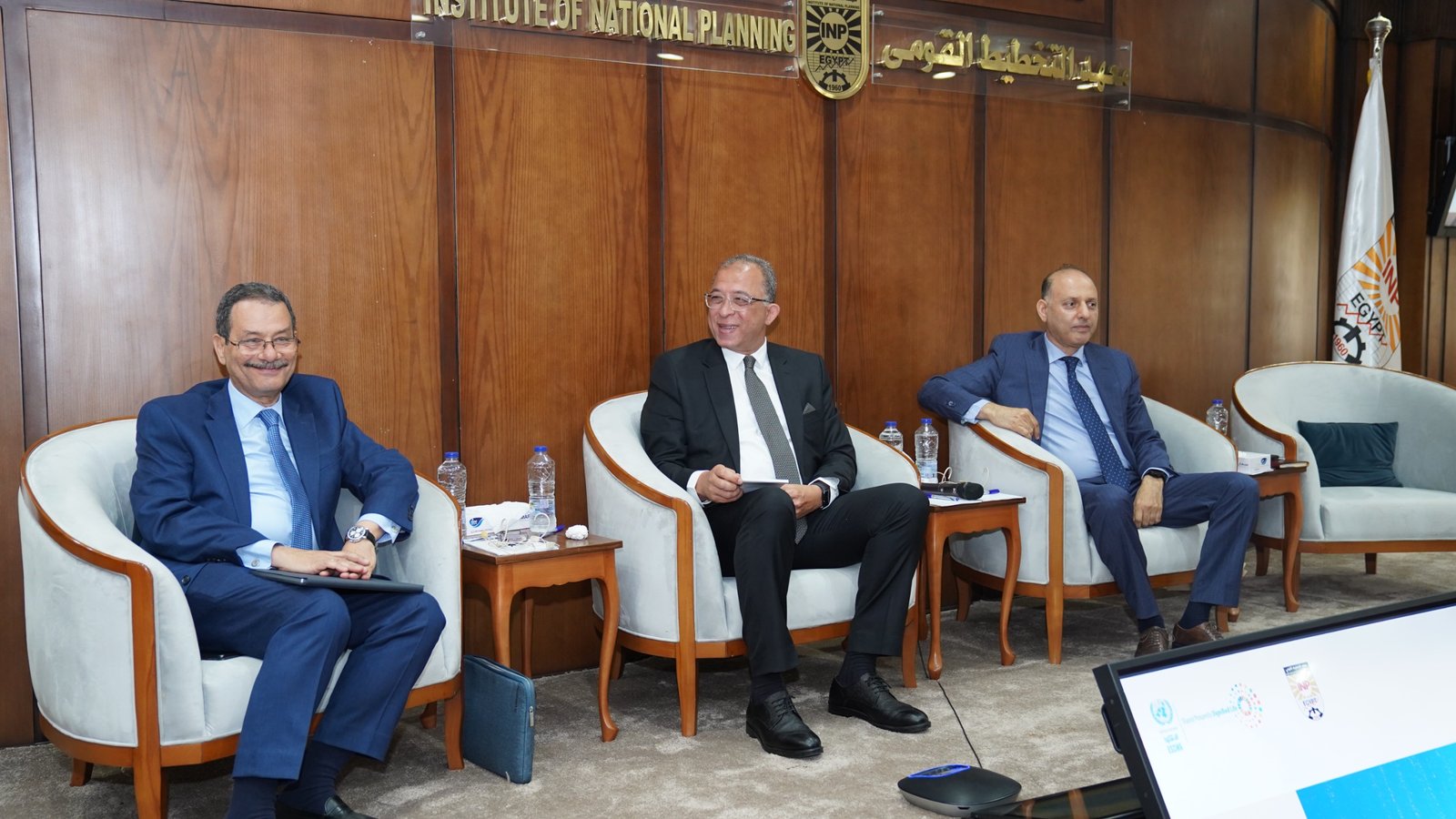
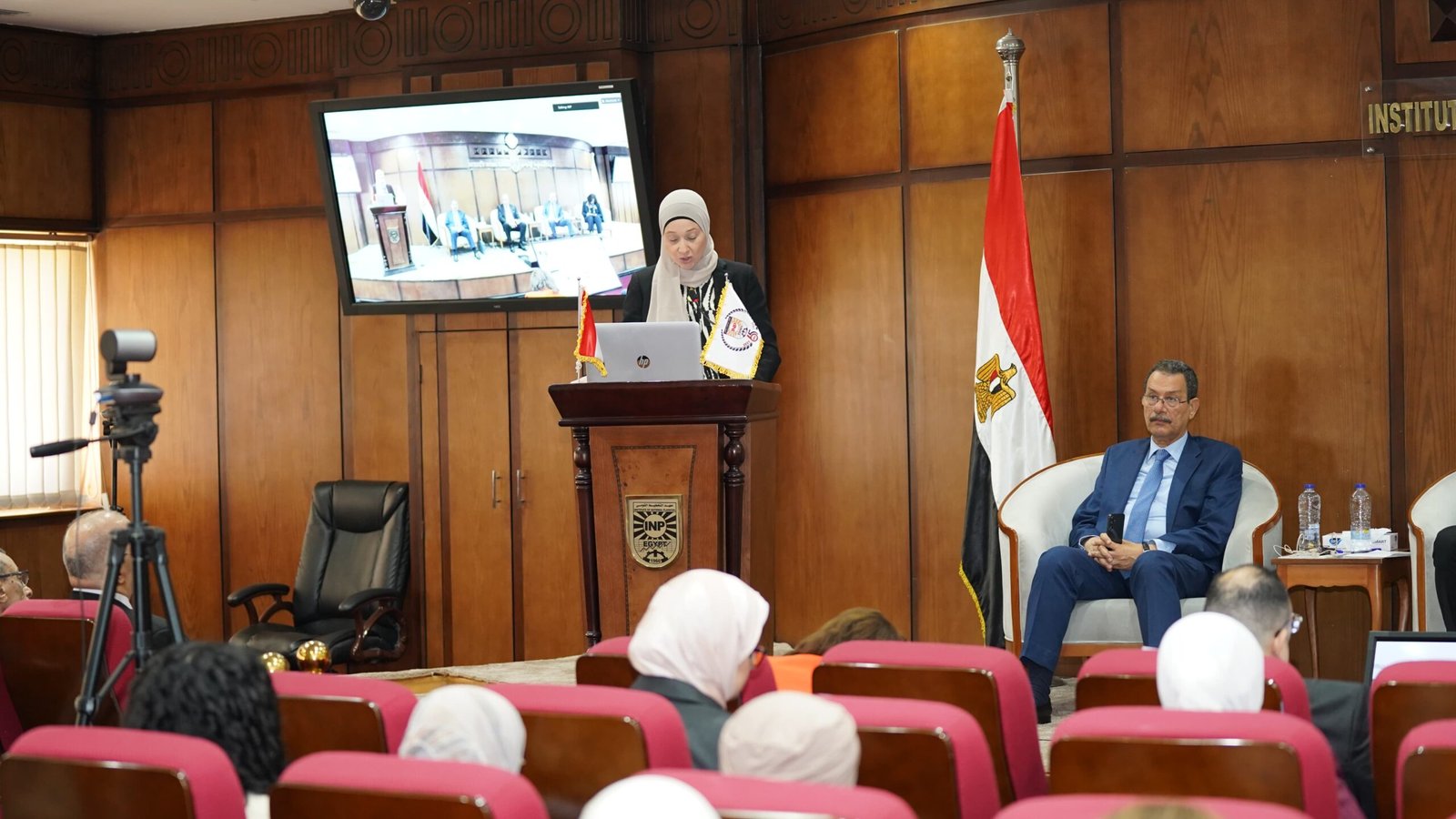
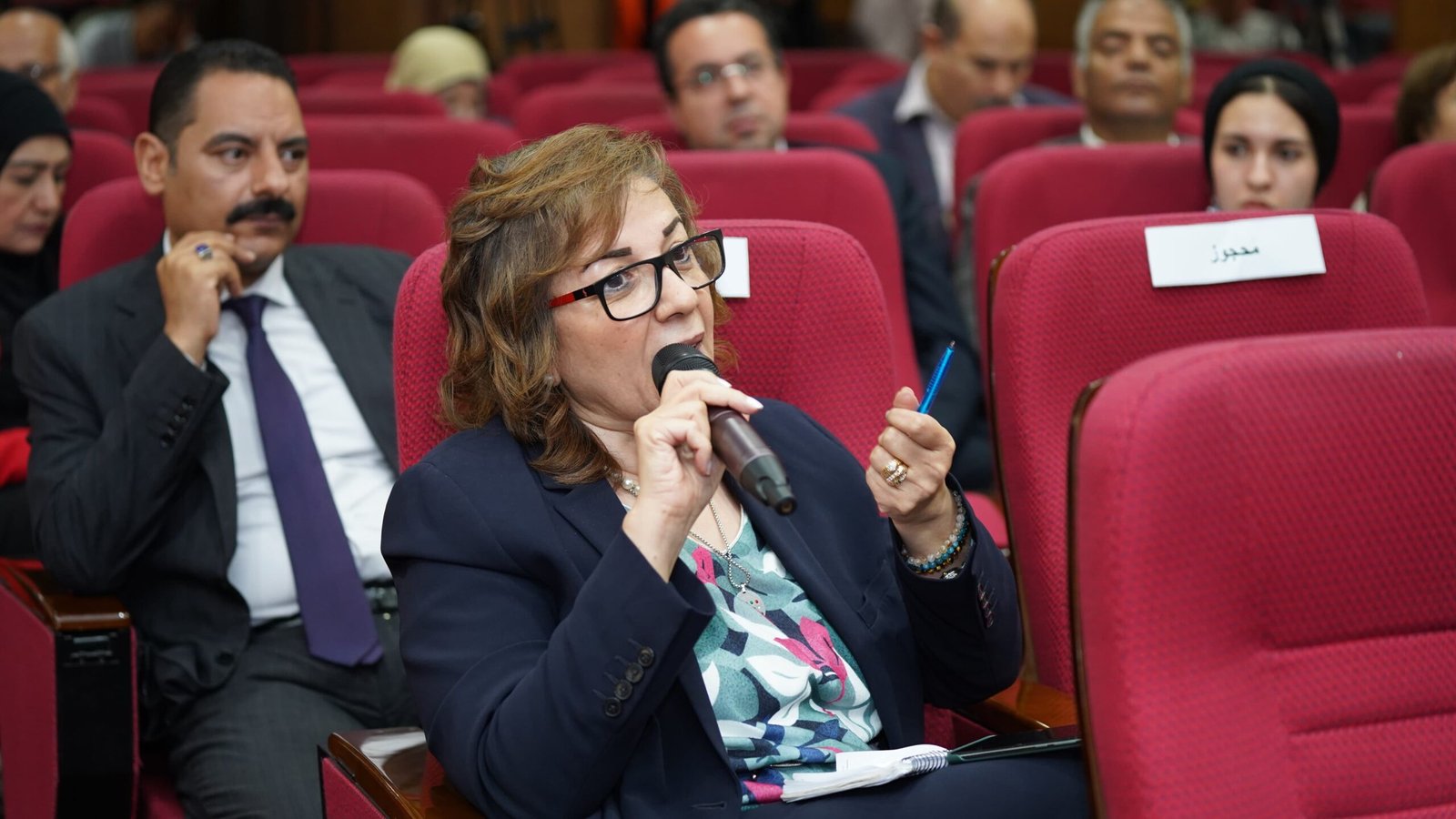
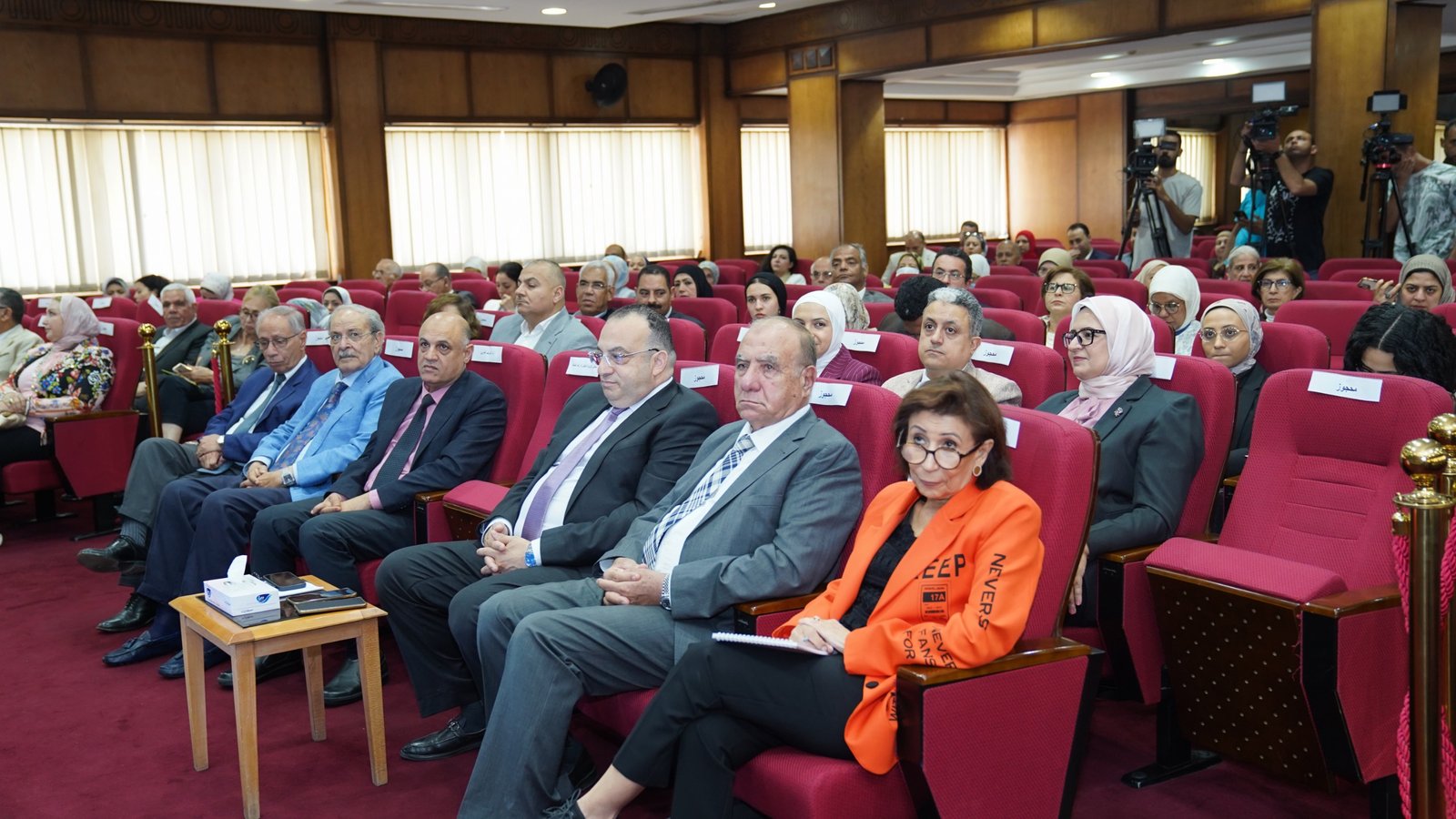
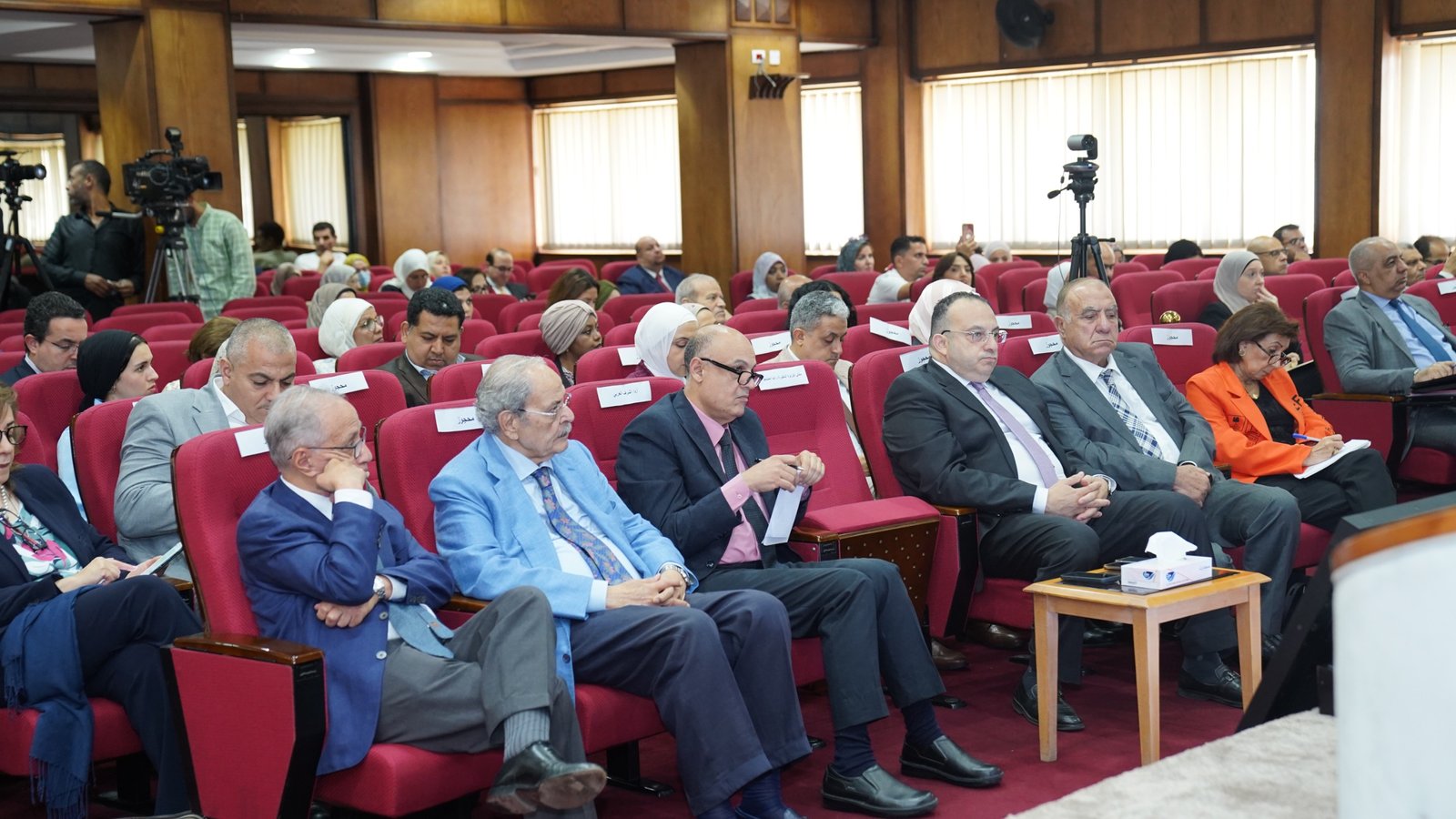
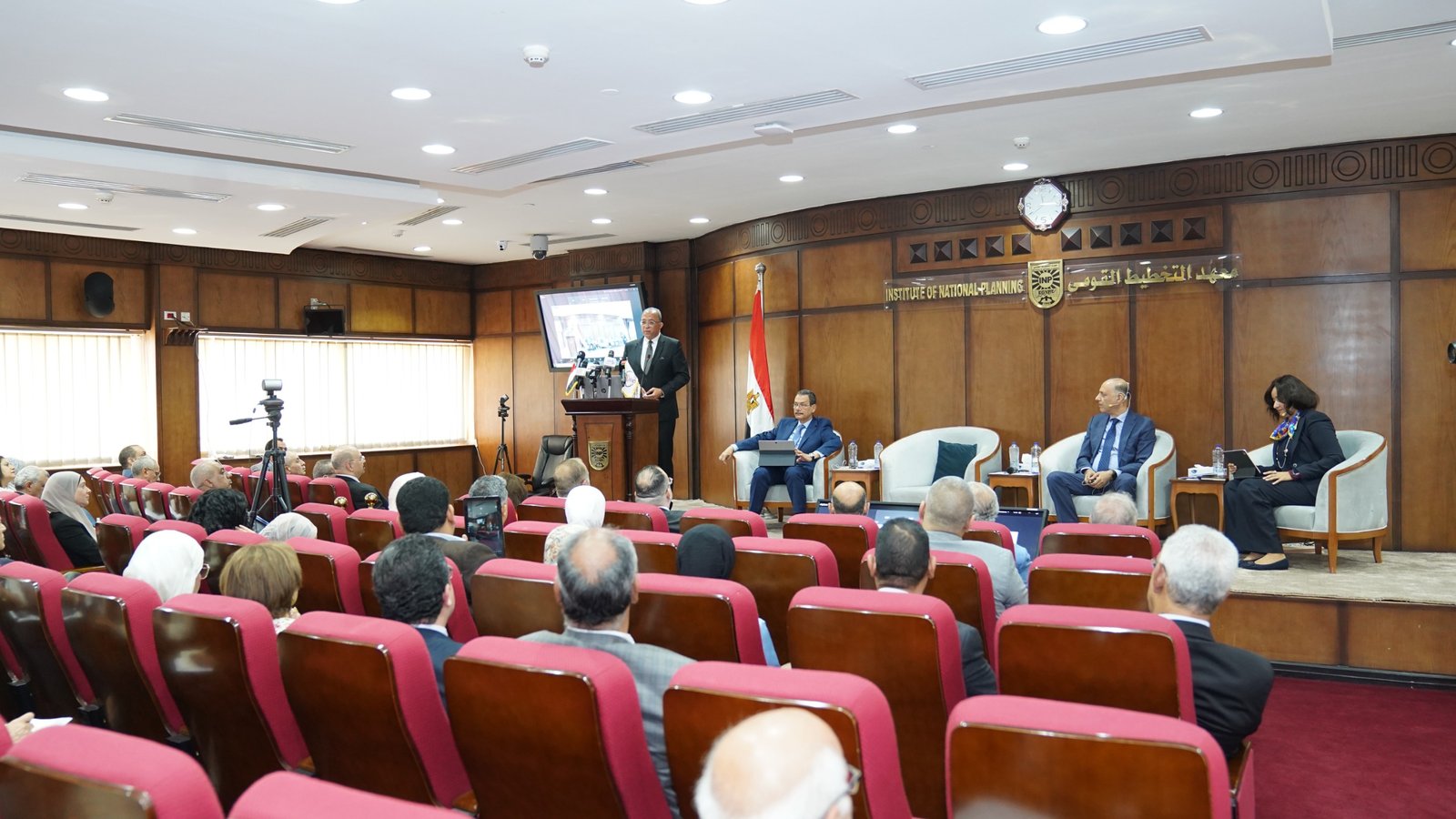
The Institute of National Planning (INP), in partnership with the United Nations Economic and Social Commission for Western Asia (ESCWA), launched its landmark report titled “State of Development in Egypt: A Global Comparative Analysis” during an official event held on Sunday, 18 May 2025. This initiative underscores INP’s commitment to advancing sustainable development through evidence-based policy research and strategic international cooperation.
The launch ceremony was attended by high-profile dignitaries, including H.E. Dr. Rania Al-Mashat, Minister of Planning, Economic Development, and International Cooperation, and Chairperson of INP’s Board of Directors, Prof. Ashraf El-Araby, President of INP, Prof. Hala Abou Ali, Chief Advisor to INP’s President and Head of the Research Team, Dr. Khaled Abu Ismail, Head of ESCWA’s Poverty and Human Development Team, Dr. Ahmed Darwish, Former Minister of Administrative Development and Governance Advisor and prominent experts, diplomats, and representatives from academia and international development organizations.
Minister Al-Mashat (represented by Dr. Mona Essam, Assistant Minister for Sustainable Development) expressed her enthusiasm for the report, which adopts a novel framework for development indicators tailored to Egypt’s pioneering experience amid global challenges. She emphasized that the report serves as a strategic roadmap to address development gaps through innovative metrics, including Development Challenges Index, Global Development Index and policy recommendations for sustainable and inclusive growth
Prof. Ashraf El-Araby highlighted that Egypt is the first Arab nation to publish a development status report using ESCWA’s “New Global Development Guide.” The report features:
- Interactive cross-country comparisons
- Focus areas: Human development quality, environmental sustainability, and governance efficacy
- Policy tools for long-term strategic planning
Coinciding with INP’s 65th anniversary as the Arab region’s first think tank, the report reinforces INP’s role in fostering multilateral partnerships to support evidence-driven policymaking.
Professor Hala Abou Ali underscored that the presented report constitutes a comprehensive governance reform roadmap, anchored in three foundational pillars: First, strengthening transparency and civic engagement through enacting legislation guaranteeing freedom of information access. Second, broadening stakeholder inclusion in decision-making processes to ensure participatory governance. Third, elevating public service quality through institutional capacity building and performance optimization.
Dr. Khaled Abu Ismail, Head of the Poverty and Human Development Team at ESCWA and Chair of the Report’s Working Group, highlighted the report’s critical recommendations, emphasizing:
- The urgent need for agricultural transformation to optimize water usage and enhance efficiency
- Targeted rural development programs to address regional disparities
- Strengthened regional cooperation with Nile Basin countries to ensure water resource sustainability
- Comprehensive strategies to tackle water and food security gaps
- Measures to boost economic resilience, including linking GDP growth to household income improvement, decent job creation, and the expansion of inclusive economic sectors
Dr. Magued Osman, Former Minister of Communications and Information Technology and Director of the Egyptian Center for Public Opinion Research (Baseera), underscored the report’s value as a key reference for Egyptian policymakers. He noted its comprehensive analysis of the macroeconomic landscape amid global shifts and its identification of regional disparities, which enable more effective resource allocation and targeted interventions.
Dr. Laila Iskandar, Former Minister of Environment, praised the report for integrating innovative dimensions of welfare measurement, particularly in ecological and environmental sustainability. She emphasized its balanced use of quantitative and qualitative indicators, which advances equitable distribution and inclusive development frameworks.
Dr. Ahmed Darwish, Former Minister of Administrative Development and Governance Advisor at the Ministry of Planning, commended the report’s four key modifications to global development indicators. He highlighted how inequality metrics provide clearer insights into areas requiring improvement and identified specific indicators that could be leveraged to enhance governance and institutional effectiveness in Egypt.
The report’s findings and experts’ commentaries collectively reinforce its role as a transformative tool for:
✔ Informing policy decisions with data-driven insights
✔ Addressing structural inequalities through measurable indicators
✔ Promoting sustainable development aligned with Egypt’s Vision 2030
By bridging global best practices with local priorities, the report equips stakeholders to navigate complex development challenges while fostering accountability and inclusive growth.