


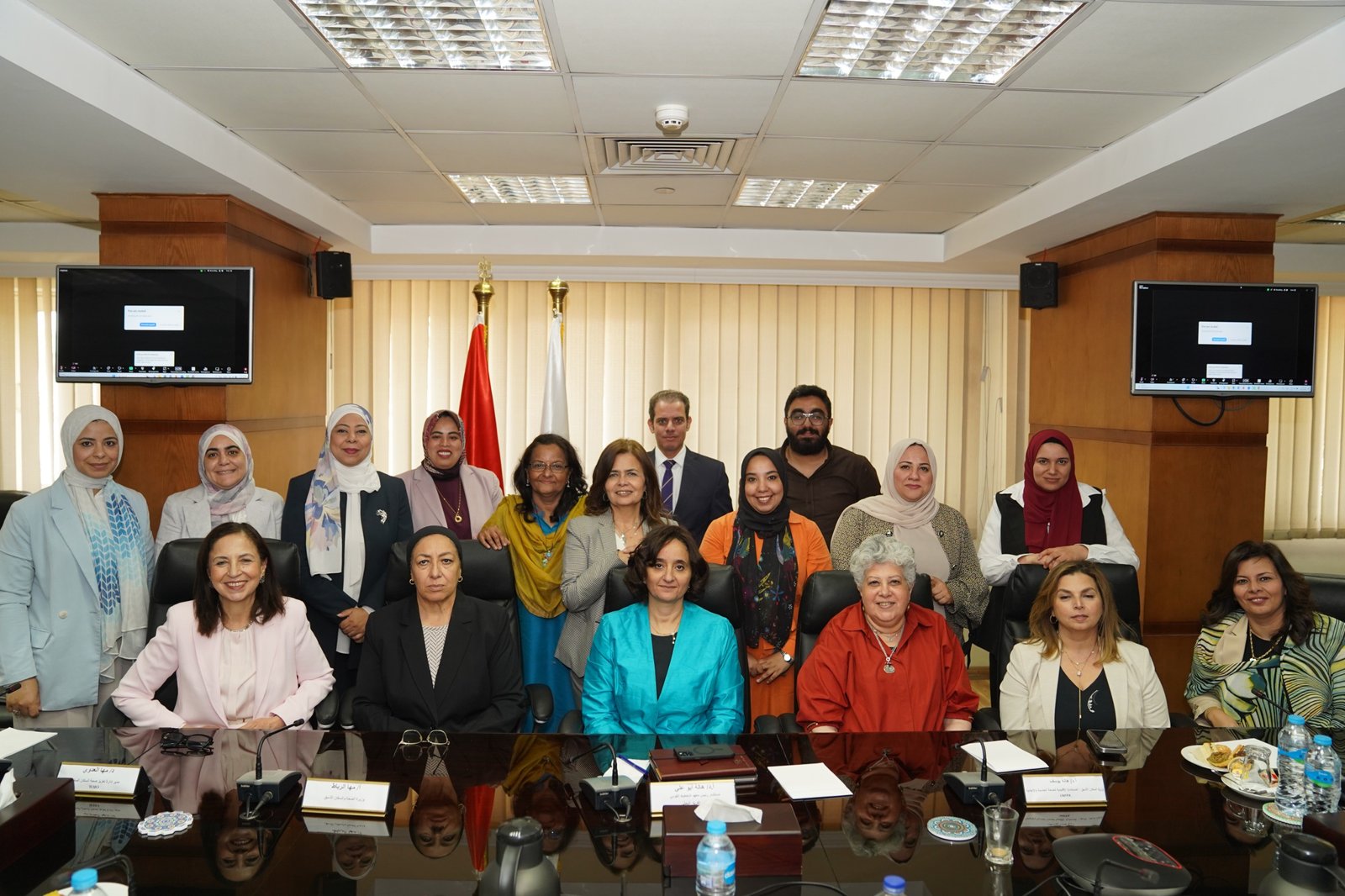
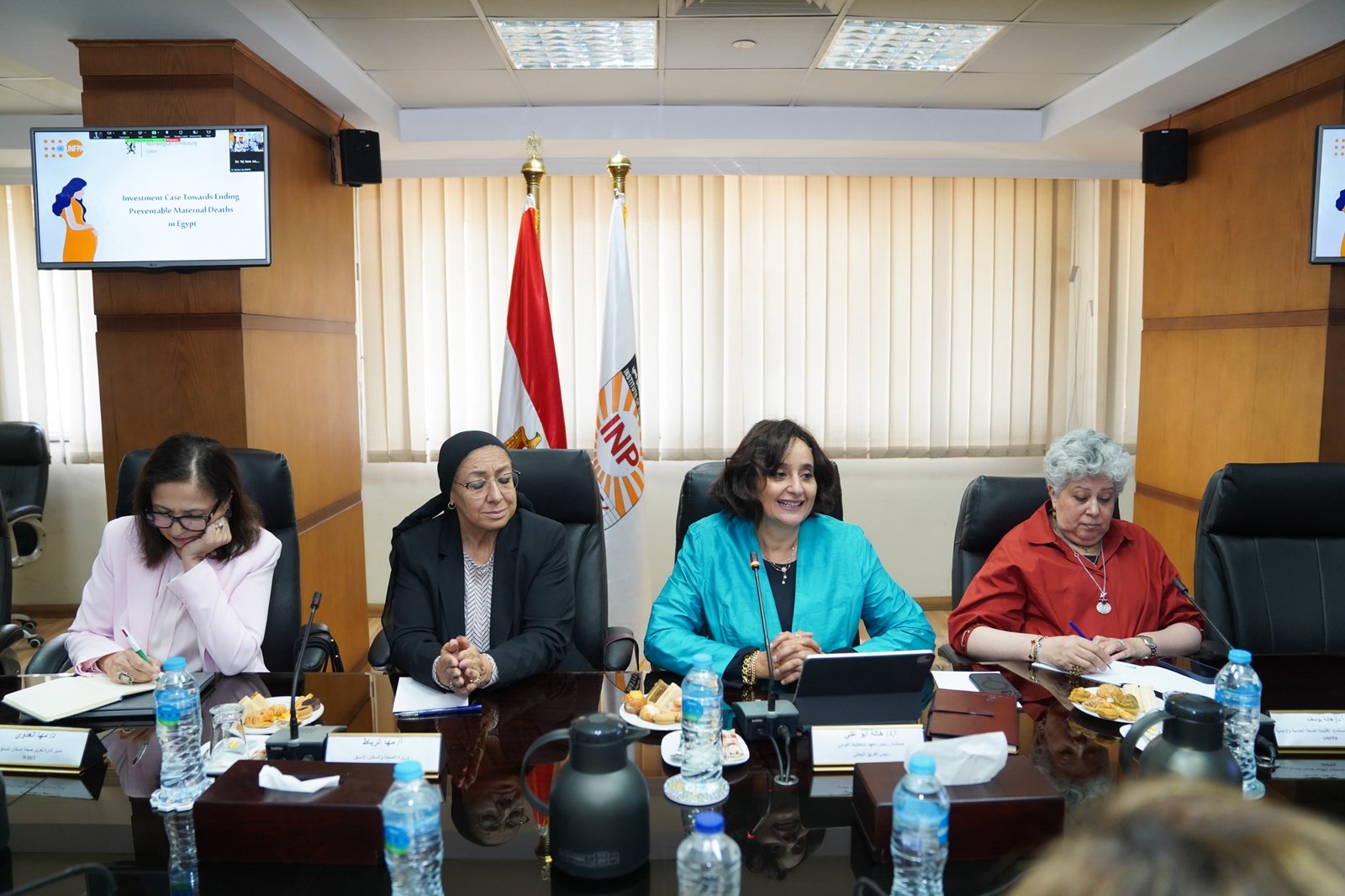
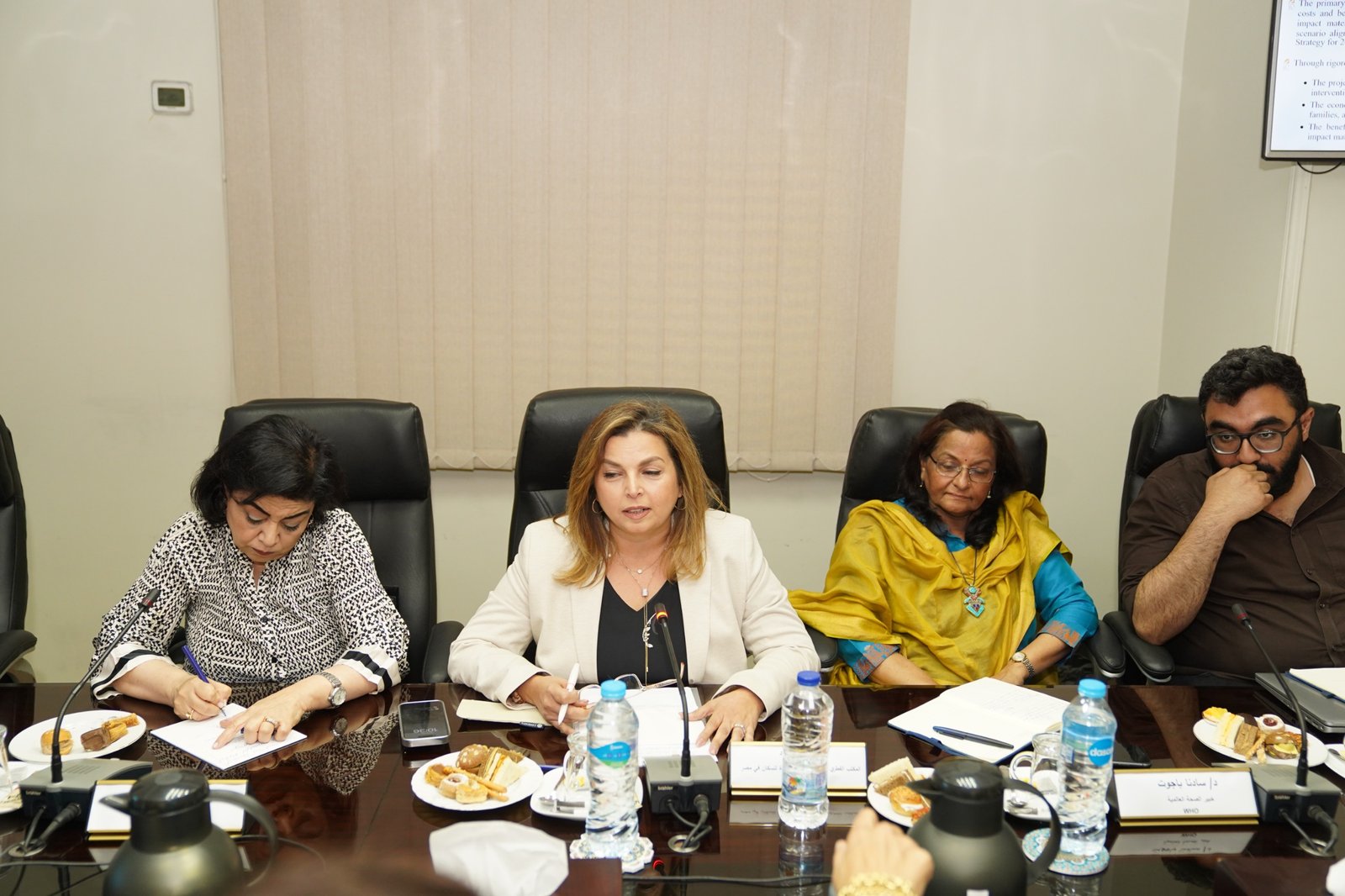
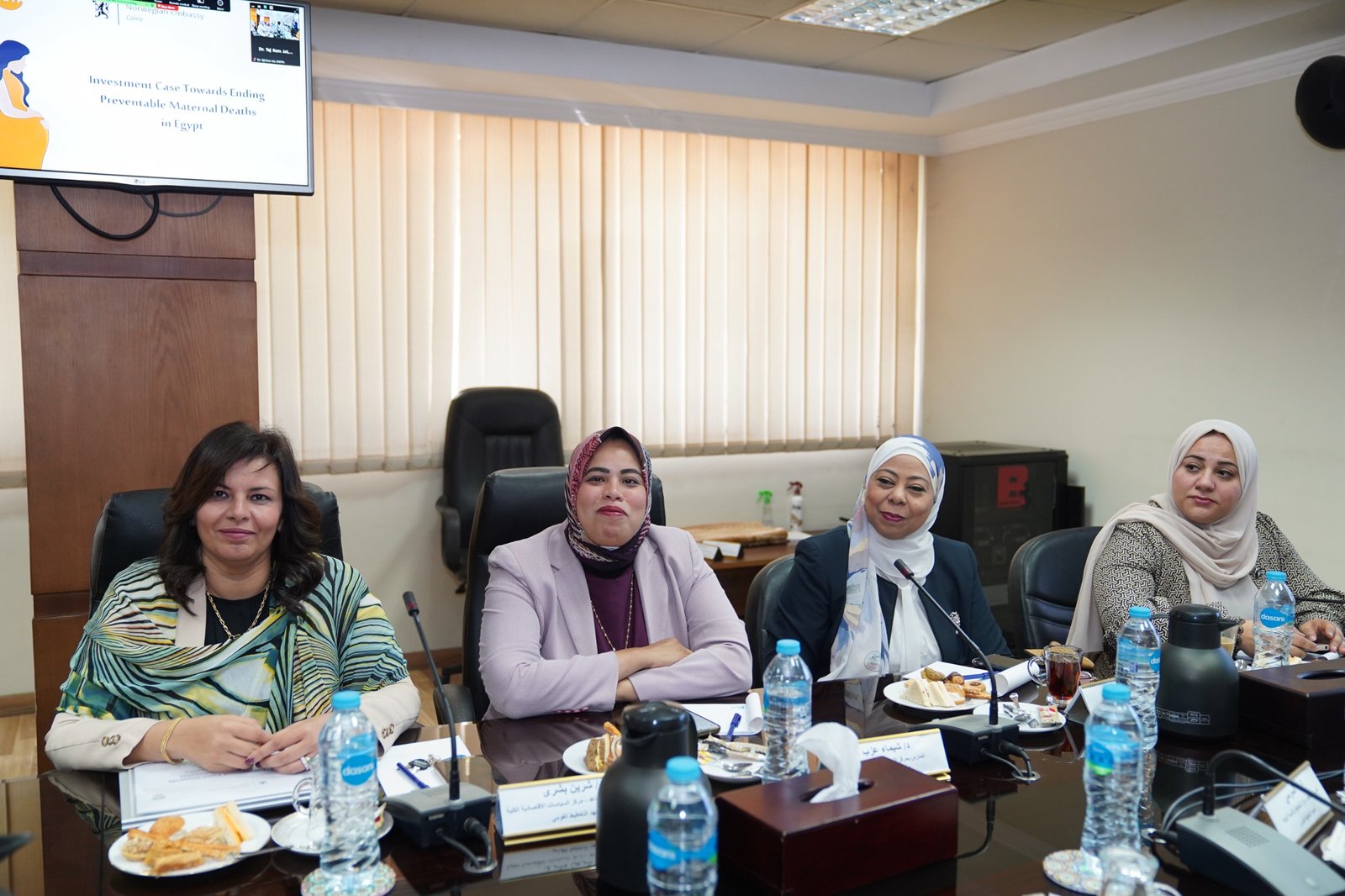
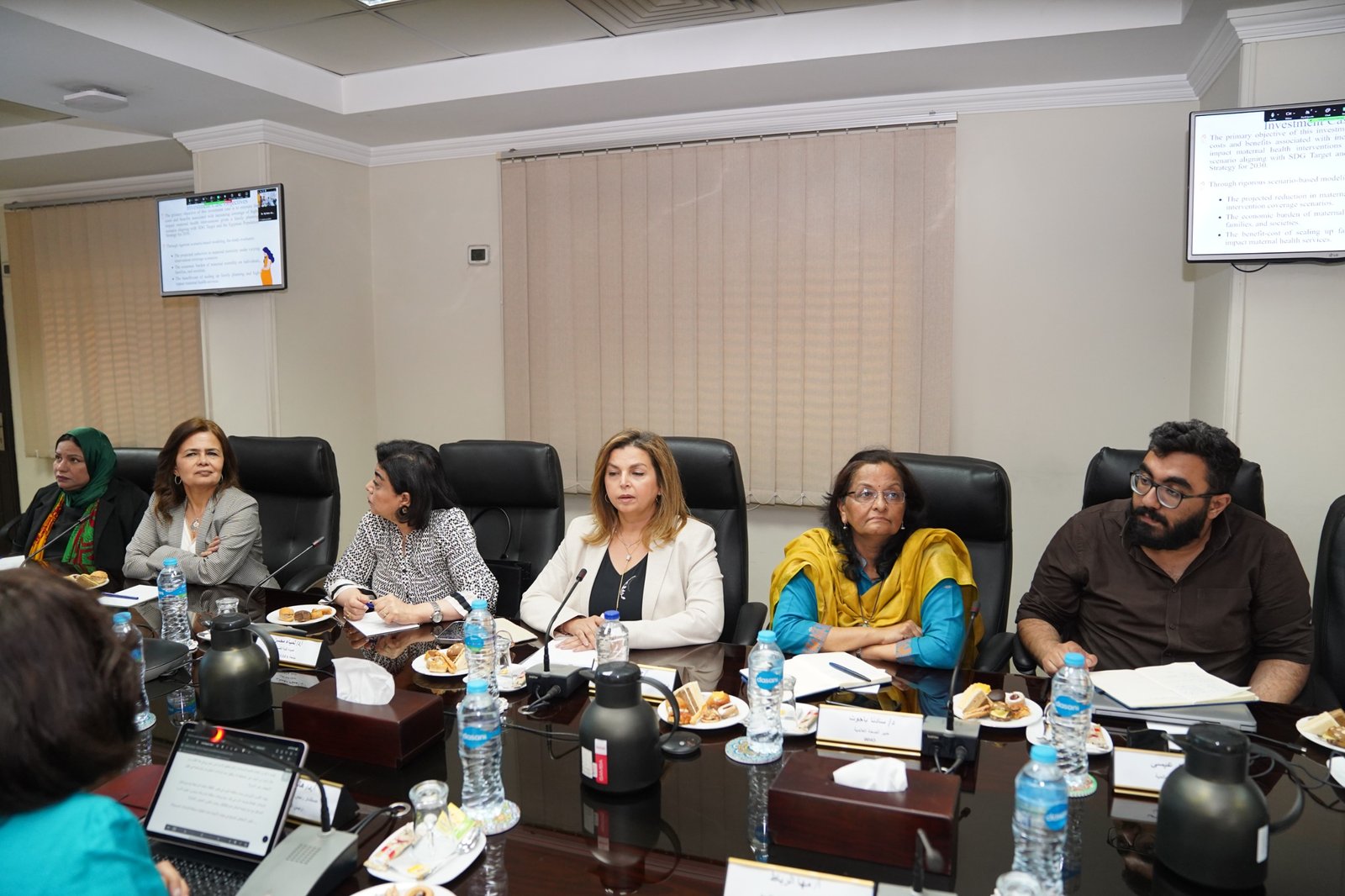
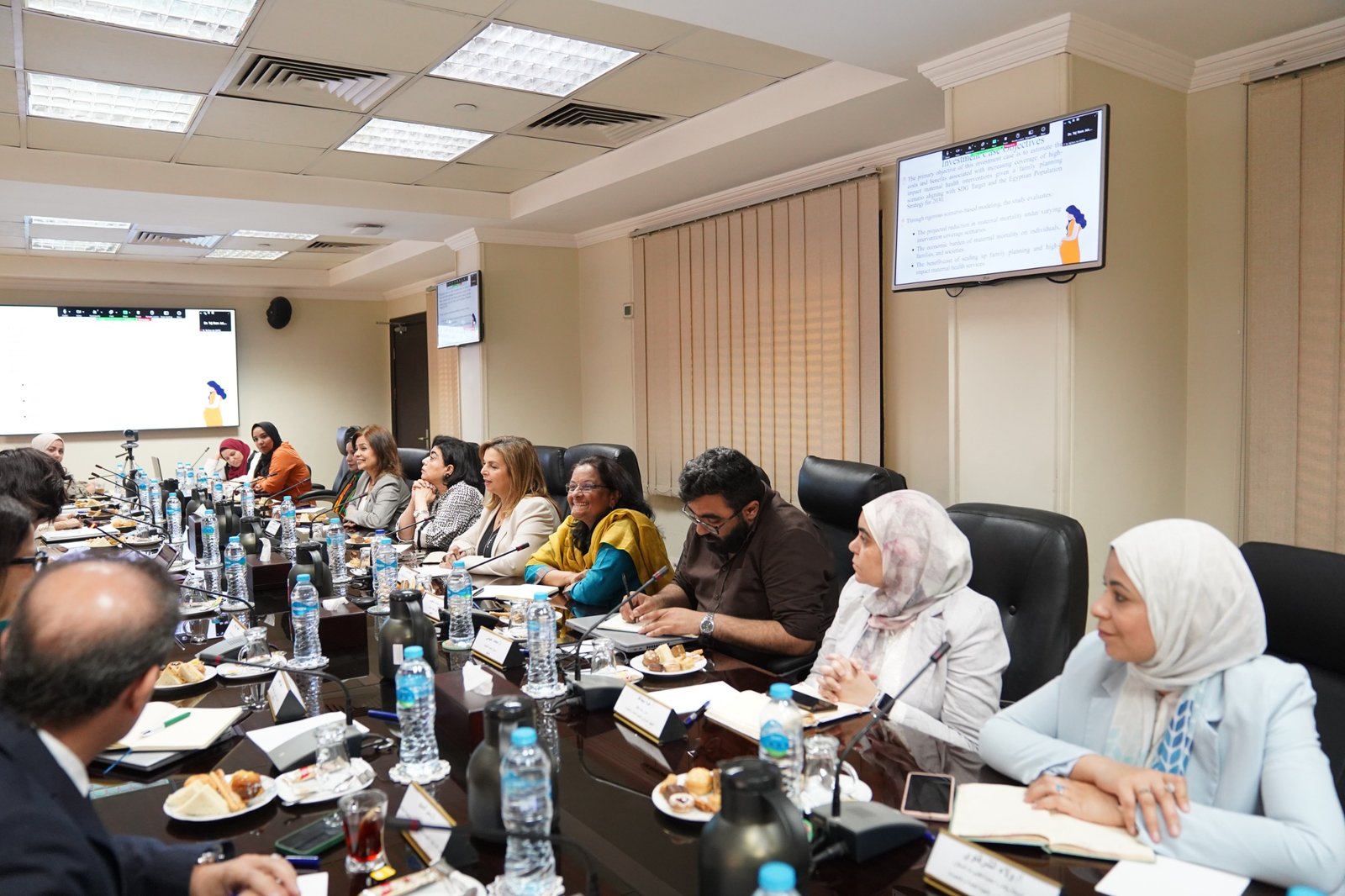
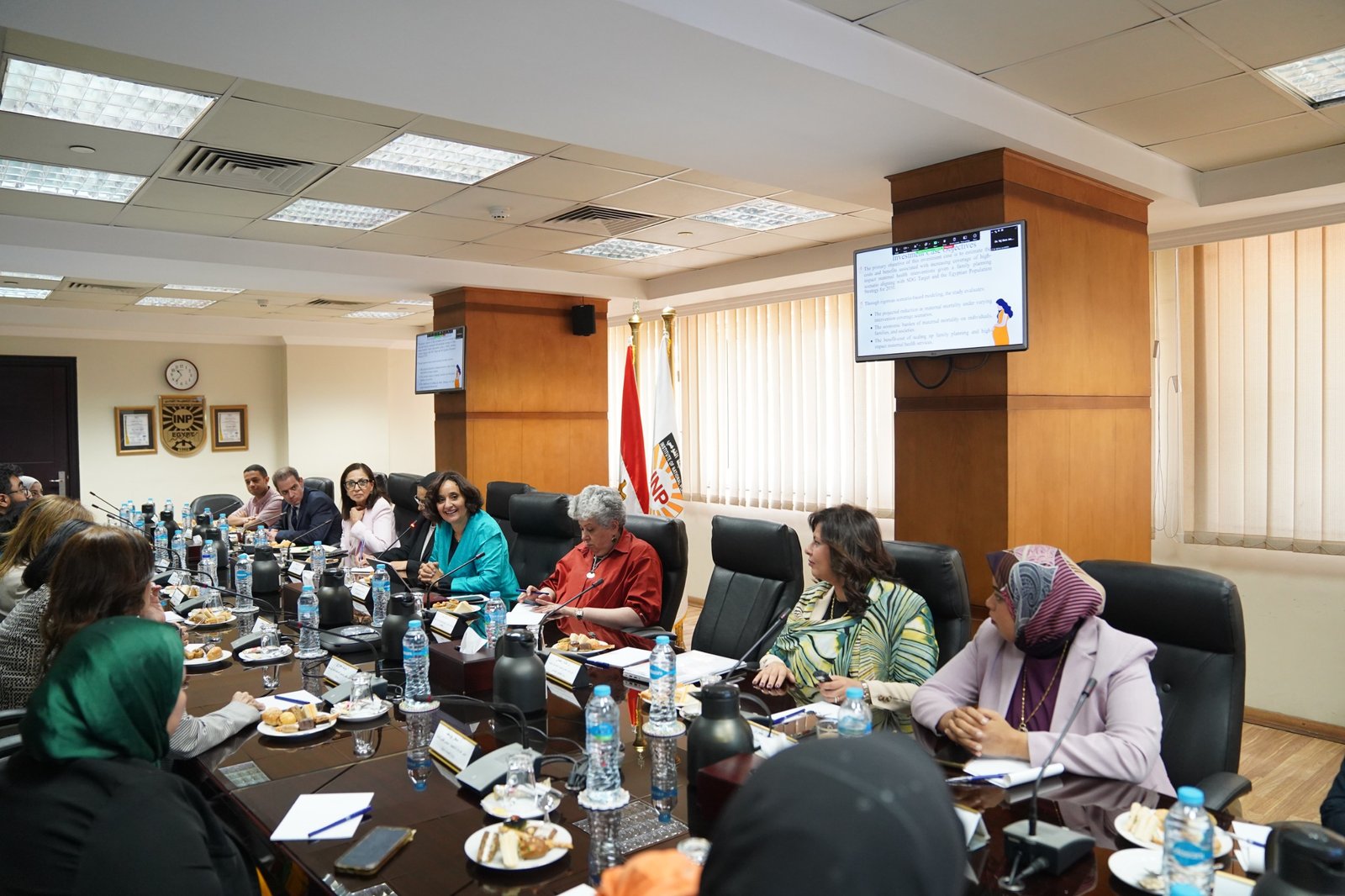
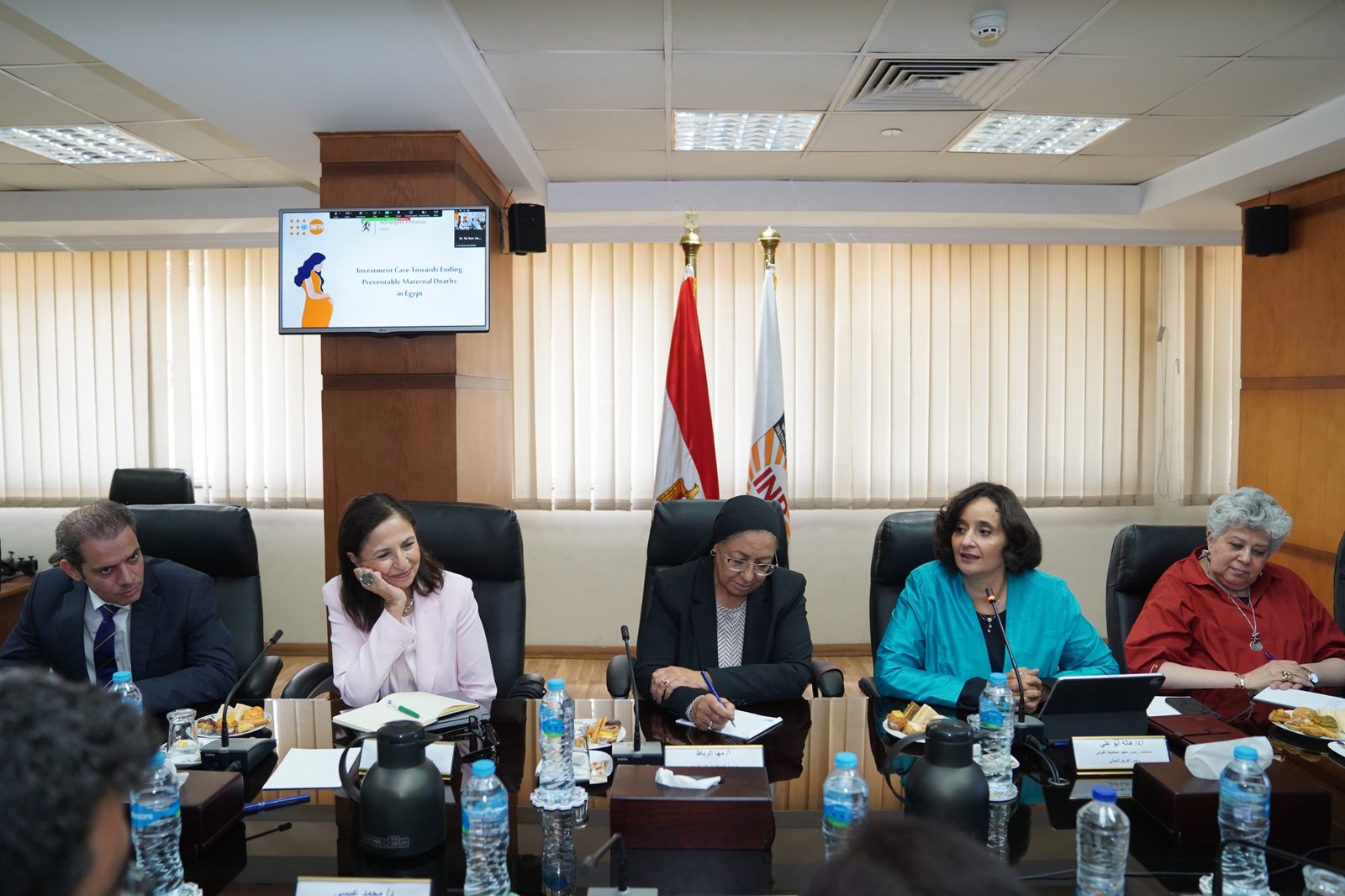
The Institute of National Planning held an expanded meeting of the Advisory Committee to prepare the research study “Investment to End Preventable Maternal Mortality in Egypt,” in collaboration with the United Nations Population Fund (UNFPA). This initiative reflects the institute’s commitment to providing competitive advisory and training services that enhance the capacity of the state, society, and the private sector in planning and policymaking, while raising public awareness on sustainable development issues through evidence-based research.
At the outset of the meeting, Dr. Hala Abou Ali, Advisor to the President of the Institute of National Planning and Principal Researcher, explained that the study aims to estimate the costs and benefits associated with increasing coverage of high-impact health interventions. This will be conducted under a family planning scenario aligned with the Sustainable Development Goals (SDGs) and Egypt’s 2030 Population Strategy, using precise scenario-based modeling.
Dr. Abou Ali noted that maternal mortality not only reflects the quality of healthcare but also signifies the deterioration of women’s economic, social, and cultural status in society. She highlighted the pivotal role of family planning initiatives as an effective approach to addressing maternal mortality, as they enable women to continue their education, access employment opportunities, and improve health outcomes—thereby contributing to reducing maternal mortality rates.
Ms. Germaine Haddad, Assistant Representative of UNFPA, emphasized that this marks the second collaboration between UNFPA and the institute within an ongoing partnership aimed at preparing an investment feasibility study to eliminate preventable maternal deaths in Egypt. This study builds upon previous research in the same field.
Discussions during the meeting addressed the economic and social impacts of maternal mortality, reviewed the most effective scenarios aligned with family planning objectives, and analyzed key findings. Participants also examined the potential costs of each intervention, along with key recommendations to maximize the benefits of investing in maternal health and family planning programs.
The meeting was attended by a distinguished group of experts, including Dr. Maha El-Rabbat, Former Minister of Health and Population, Dr. Hala Youssef, Former Minister of State for Population, Dr. Maha El-Adawy, Director of Population Health Promotion at the World Health Organization (WHO). In addition to a number of researchers from the institute and prominent experts representing Egyptian universities, UNFPA Egypt, the Ministry of Health and Population, the Central Agency for Public Mobilization and Statistics (CAPMAS), and WHO Egypt.